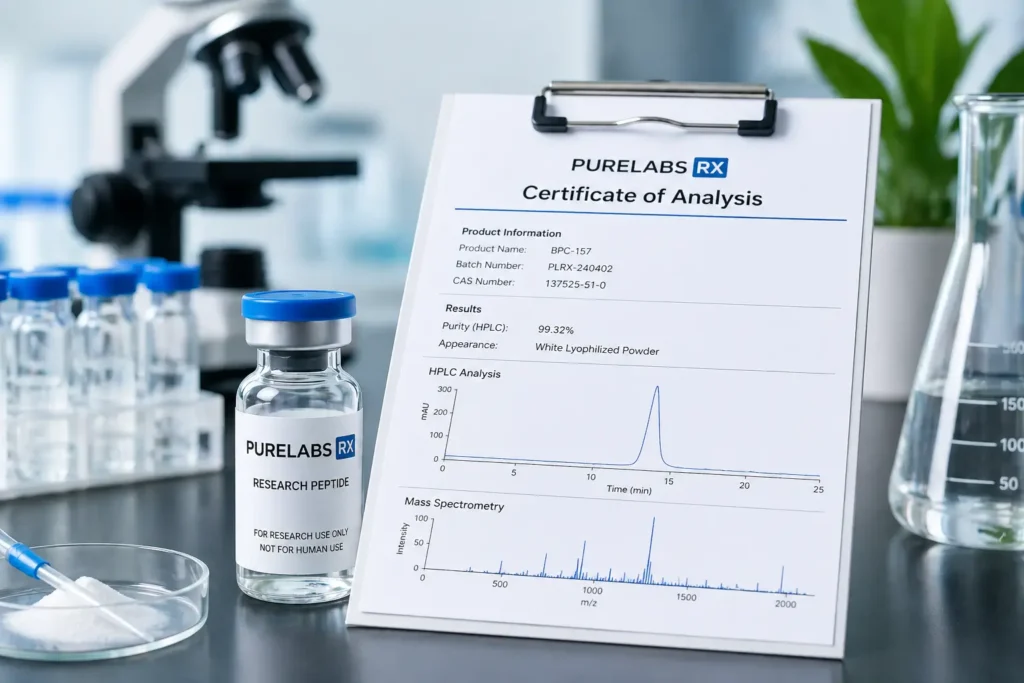
How To Store Peptides: Handling & Storage Standards Dampness can speed up degradation by enabling water particles to sever the delicate peptide bonds in a process called hydrolysis. Most of the peptides need to be cooled at 2 ° C to 8 ° C( 35 ° F to 46 ° F) [1] This reduced steady temperature is very important to maintain the helices of the peptides and protect against destruction.
Preventing Usual Solubilization Errors
What cancels out peptides?
Salicylic acid''s exfoliating action might undercut the peptides, decreasing their skin-repairing advantages. Suggestion: To prevent any type of communication, usage salicylic acid and peptide products at different times. As an example, include salicylic acid in your early morning regimen and peptides AminoAcidSupplements Registry in your evening regimen.
The disulfide bond formation is fast at neutral or a little basic pH. Disulfide bridge formation is reversible. The disulfide bonds can be minimized at basic conditions using DTT. The pH 7-9.5 is the optimum pH range for reductions with DTT. The DTT remedies need to be newly prepared because DTT is easily oxidized.
Avoid saving them in the fridge door, where temperature level fluctuations and regular drinking of the vial take place each time it's opened up.
The deamidation of Asn, Gln, and the C-terminal amide might occur.
LifeTein supplies Cys containing peptides as monomers unless defined otherwise.
. Basically, this reverses the freeze-drying process by including a specific solvent to the dry peptide.
Dipeptides, tripeptides, and various other short peptides are typically synthesized in the solution called Fluid Stage Synthesis. LifeTein provides Cys consisting of peptides as monomers unless defined or else. As air oxidation can not be totally stopped, minimizing the peptide prior to usage by treatment with dithiothreitol (DTT) might be valuable to your experiment. Peptides which contain cysteine, methionine, or tryptophan are sensitive to oxidation. Correct storage space conditions just slow down the deterioration procedure. Yes, refrigerator-stored (2 ° C to 8 ° C) peptides have a life span that can range anywhere from months to a year, depending on the specific peptide. Although it is typically organization as usual and hence a good idea to ship peptides on the chilly side, occasionally there are some peptides that are fairly secure and can be delivered at area temperature level for a minimal time. All service life estimates assume proper storage space problems. Specific results may vary based upon purity and handling. Peptide folding is the process through which a peptide framework assumes its functional form or conformation. By coiling and folding into a certain three-dimensional shape, the peptides can execute their organic function. The amino acids with hydrophobic side chains tend to end up clustered at the core of the structure to ensure that they are out of call with water. Covalent disulfide bridges can influence the shape of a healthy protein.